When to Choose Telemedicine for Your Pet
Veterinary telemedicine may help resolve a pet health issue without an in-person appointment.
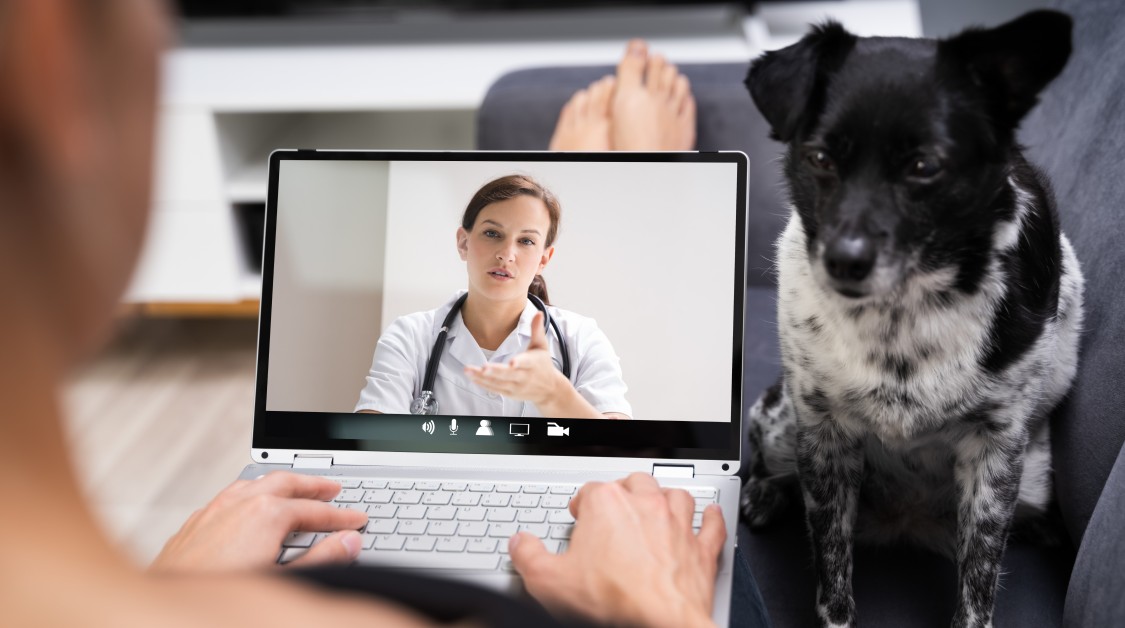
You're not a bad pet owner for wishing that you didn't have to haul your furry friend into a veterinary clinic every time something seemed slightly wrong with it. In fact, thanks to advances in veterinary telemedicine, your pet can receive many kinds of professional attention via online video consultations. The question is, when does pet telemedicine make good sense, and when should you stick to traditional in-person veterinary care? Let's explore this option so you can make the best health choices for your pet.
What Is Veterinary Telemedicine?
You may have heard the term "telemedicine" used alongside "telehealth," but these two terms mean somewhat different things. Telehealth is the general term covering all manner of medical services that use electronic communications as an essential tool. Two sub-categories within this general classification include tele-triage and telemedicine.
Tele-triage refers to initial consultations with a vet, veterinary assistant, or veterinary technician about a pet's condition. These communications can occur by video link, phone call, or even text exchange. The professional can then recommend home care and possible next steps, but cannot diagnose or treat the condition.
Unlike veterinary tele-triage, veterinary telemedicine can only be provided by a veterinarian; it also requires a pre-existing relationship with that veterinarian. But it can offer a much wider range of services, including prognosis, diagnosis, and medication prescriptions. You must have a real-time video connection to the clinic so that the vet can visually evaluate your pet's symptoms.
The Many Benefits of Pet Telemedicine
People find themselves using pet telemedicine for a variety of reasons beyond sheer convenience or laziness. For instance, some pets may experience acute anxiety in unfamiliar surroundings or associate animal hospitals with painful procedures. Telemedicine can spare these pets the strain of visiting the vet for minor issues that might not require in-person care.
Pet telemedicine can also ease the travel burden of taking your pet to the vet. If you live far from the nearest clinic, you may not relish driving for hours with a sick or injured pet -- and the pet isn't likely to enjoy it either. A telemedicine appointment can take some of these commutes off your to-do list, allowing you and your pet to participate from the comfort of your home. Telemedicine can even offer virtual hospice care for animals nearing the end of their lives.
Veterinary clinics often face scheduling and staffing challenges, as you know all too well if you've ever struggled to get a timely appointment. However, since telemedicine appointments are much easier to set up and administer, you may have a lot less trouble getting the staff to grant a video consultation.
Using Telemedicine for Your Pet
Individual state laws determine whether veterinarians can offer telemedicine services. Currently, eight states expressly permit veterinary telemedicine -- California, Idaho, Arizona, Florida, Ohio, Virginia, and New Jersey. Maine has no law addressing veterinary telemedicine, while the other U.S. states have ruled against it. If you live in a state that allows the service, and you consult a vet who practices in a state that doesn't, that vet must be licensed to practice in your own state.
As noted above, scheduling telemedicine for your pet requires an existing relationship with the vet in question. In other words, you can't simply approach a vet out of the blue with a telemedicine request; you'll need to schedule at least one in-person visit to create a valid, established patient-practitioner relationship first.
When Telemedicine Isn't Enough
As amazingly advanced and convenient as pet telemedicine may seem, it can't address every kind of veterinary issue. Here are some situations that call for in-person vet visits.
- Any veterinary emergency - If your pet displays signs of poisoning, heat stroke, or a traumatic injury, you should contact your vet immediately for first aid guidance and then take your pet to the animal hospital ASAP. A telemedicine call in this case would only cause you to lose precious time in seeking treatment.
- Issues that require more thorough diagnostic techniques - In a typical telemedicine call, the vet may look at your pet on video and ask you to look around for lumps, lesions, or other external symptoms. However, many conditions will only become evident, or can only be confirmed, through lab work, vital sign readings, and diagnostic imaging. Don't be surprised if your telemedicine vet recommends in-person testing.
- Issues that don't respond to virtual treatment - If you're lucky, the meds or other treatments recommended during your telemedicine call may resolve your pet's issues completely. But if these initial efforts fail, it's time to take your pet in for clinical evaluation and care.
Ask Your Veterinarian About Telemedicine
Even in states that permit veterinary telemedicine, some vets offer this service while others don't. If you're still deciding on a veterinary clinic for your pet, ask about the availability of this option in your initial inquiries. If you already have a vet, ask them whether the clinic provides telemedicine services -- and if it doesn't, ask whether such services might become available in the future. But whatever form of veterinary care you have access to, make sure your beloved pet receives it!
Ready to start saving money on pet wellness care?
Then take a look at Mint Wellness, the pet wellness plan that provides fast reimbursement on routine pet care. Save on vaccinations, wellness exams, preventatives, dental, and more!
Learn More